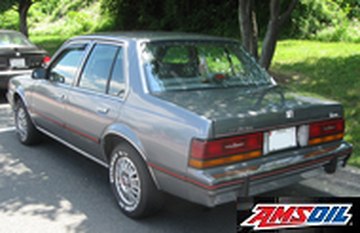
Engine Lubrication Care for the 1982 Cadillac CIMARRON 1.8L
Maintaining the engine lubrication system in a vehicle like the 1982 Cadillac CIMARRON with its 1.8L engine requires consistent attention to fluid quality and component integrity. Proper lubrication is fundamental to ensuring that internal engine components operate with minimal friction, which helps manage heat and prevents premature wear. For owners of this specific model, staying proactive with routine inspections can help identify potential issues before they escalate into more significant mechanical concerns.Monitoring Fluid Condition and Potential Leaks
One of the most effective ways to monitor the health of your engine's lubrication system is through regular visual inspections. Periodically checking for signs of fluid seepage or leakage around the engine block and associated sealing surfaces can provide early warning of potential issues. If you notice any wetness or residue on the underside of the engine or near various gaskets and seals, it warrants a closer investigation to determine the source. In addition to looking for external leaks, observing the appearance of the oil itself is a valuable diagnostic habit. While oil naturally darkens over time due to use, extreme discoloration or an unusual texture can be indicative of contamination. If the lubricant appears excessively thick, milky, or contains visible particulates, it may suggest that the fluid has been compromised by other substances or has exceeded its effective service life. Such changes in appearance should be investigated promptly to ensure the engine remains properly protected.Observing Potential Warning Signs
When operating your vehicle, being attentive to changes in how the engine behaves can reveal underlying lubrication concerns. While many symptoms can have multiple contributing causes, certain indicators are worth noting for further inspection:- Unusual Mechanical Noises: Any new or persistent sounds coming from the engine area that were not previously present should be evaluated by a professional.
- Changes in Lubricant Consumption: If you find yourself needing to add oil more frequently than usual, this may indicate an issue with how the engine is managing its lubricant levels.
- Warning Indicators: Should any dashboard indicators related to engine operation illuminate, immediate attention is necessary to prevent potential damage.
- Exhaust Observations: Changes in the color or consistency of exhaust emissions can sometimes be associated with internal engine conditions that require professional diagnosis.
Prioritizing Long-Term Engine Health
As vehicles age, maintenance priorities often shift from strictly following a schedule to managing the actual condition of the components. For a 1982 Cadillac CIMARRON, establishing a clear understanding of the vehicle's current state is essential for effective long-term ownership. If you do not have access to a complete history of previous repairs and service, your first priority should be to establish a maintenance baseline. This involves documenting all recent fluid changes, filter replacements, and any observed mechanical behaviors. When managing an older engine, it is often more practical to address active concerns—such as visible seepage or changes in fluid behavior—before focusing on purely preventive measures. By reviewing available service records, you can distinguish between necessary maintenance and unnecessary parts replacement. This condition-based approach allows you to allocate resources toward the areas that will most effectively preserve the engine's operational integrity.Inspecting Aging Components and Systems
Beyond the oil itself, other components related to the engine environment should be part of a routine inspection routine. If equipped, accessible drive belts should be checked for signs of deterioration such as cracking, glazing, or fraying. Similarly, if the vehicle is equipped with various hoses, inspecting them for softness, swelling, or leaks can help prevent unexpected failures. Electrical connections and wiring harnesses that support engine sensors and management systems should also be inspected for signs of age-related wear, such as brittle insulation or corrosion at the connectors. Maintaining these peripheral systems ensures that the engine operates within its intended parameters, which indirectly supports the effectiveness of the lubrication system by maintaining stable operating temperatures and pressures.Effective Record Keeping for Maintenance Decisions
Maintaining a detailed log of all service performed on your 1982 Cadillac CIMARRON is one of the most beneficial steps an owner can take. A well-kept record provides more than just a history; it serves as a tool for making informed maintenance decisions. By tracking when oil was last changed, which products were used, and any observations made during inspections, you can identify patterns that might otherwise go unnoticed. Consistent documentation helps in distinguishing between a one-time occurrence and a developing trend. For example, if your records show a gradual increase in the frequency of fluid top-offs over several months, you have a clear data point to discuss with a technician. This level of detail is invaluable for ensuring that maintenance remains proactive rather than reactive.Practical Advice for BUYING ENGINE OIL for the 1982 Cadillac CIMARRON 1.8L
When it is time to replenish your engine's lubricant, the most important step is to ensure the product matches the specific requirements of your application. Rather than relying on general assumptions about vehicle age or engine size, you should always refer to the application-specific viscosity and oil information provided on this webpage. When selecting a product, consider the following practical steps:- Match the Application Data: Always prioritize the viscosity and specifications listed in the technical data above for your exact 1.8L engine.
- Verify Product Labeling: Before completing a purchase, carefully check the container to ensure the SAE viscosity and API service classifications align with what is required for your vehicle.
- Evaluate Formulations: Depending on your specific needs and the current condition of your engine, you may choose between conventional, synthetic blend, or full synthetic oils. Some high-mileage oil formulations also contain additives intended for use in aging engines, including seal-conditioning additives.
- Check Certification: Ensure the oil meets the appropriate modern quality standards to provide effective protection against oxidation and deposit formation.